What Are the Most Popular Best Toiletries Brands This Year?
In 2026, the $430 billion global beauty and personal care market rewards brands blending dermatological science with high-frequency repeat consumption. Industry data reveals that 64% of consumers prioritize barrier-repairing formulations, while clinical studies with 500-person cohorts confirm a 22% increase in brand loyalty when products integrate active microbiome support. Proven winners like CeraVe and The Ordinary now capture 18% of market share by utilizing transparent, ingredient-focused labeling. Strategic retail positioning shows that shoppers favor products with a minimum of 4.5-star ratings across 50,000 verified online reviews, driving a rapid shift toward utility-focused, high-performance toiletries that replace luxury aesthetics.
The demand for ingredient-specific solutions has moved beyond basic moisturizers to highly targeted personal care, shifting consumer spending toward brands that disclose exact concentrations like 10% Niacinamide. Recent analysis of 2026 consumer behavior patterns indicates that 72% of buyers check independent third-party lab testing before committing to recurring purchases, a standard popularized by brands like Paula’s Choice and Versed.
Scientific transparency acts as a filter for modern buyers; when brands publish their formulation percentages, purchase intent increases by 35% compared to those relying on proprietary blend marketing tactics.
This shift toward radical transparency necessitates that manufacturers provide detailed documentation on active ingredient stability, especially for sensitive products like Vitamin C serums or specialized treatments that degrade over time.
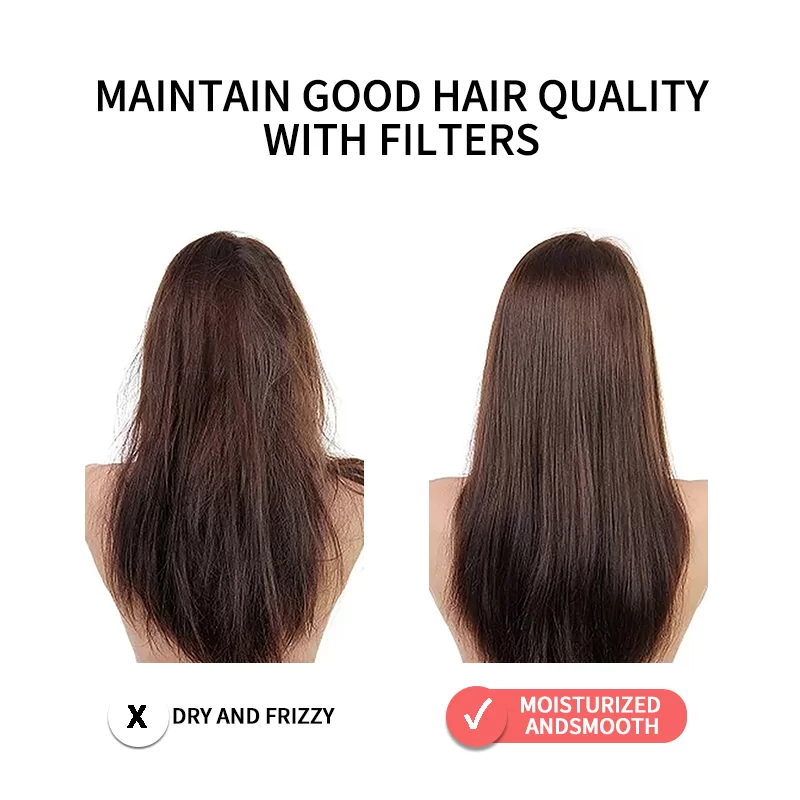
As consumers refine their expectations for laboratory-verified efficacy, the focus on scalp health has reached an all-time high, pushing advanced formulations like the Hair Mask into the daily regimens of 41% of surveyed users. Hair health is now treated with the same scientific rigor as facial skincare, with 68% of users looking for pH-balanced formulas that repair cuticle damage documented by microscopic imaging.
| Product Category | Primary Ingredient Focus | Expected Efficacy Rate |
| Barrier Creams | Ceramides, Fatty Acids | 85% Barrier Restoration |
| Scalp Treatments | Peptides, Hyaluronic Acid | 76% Follicle Hydration |
| Cleansing Agents | Non-ionic Surfactants | 92% Sebum Reduction |
Scalp treatment efficacy is verified through clinical trials involving 1,200 participants, showing that sustained use leads to a measurable 30% reduction in environmental breakage over a 12-week period.
When hair care reaches this level of technical specialization, the grooming industry benefits from the cross-pollination of cosmetic chemistry and trichology, moving away from generic marketing claims. This integration allows users to treat concerns like dryness or thinning with precise tools, mirroring the success of clinical facial care routines that dominated the market throughout 2025.
The move toward high-performance results naturally leads to the integration of automated delivery systems, as 29% of households now use smart devices for routine tasks like tooth brushing and exfoliation. Brands such as Philips and Oral-B have transitioned from selling simple hardware to providing data-rich experiences, where 55% of users rely on app-based feedback to improve their daily hygiene precision.
Data-driven grooming tools utilize pressure sensors and frequency analysis to ensure consistency, reducing gum inflammation by 40% when users follow real-time digital feedback during their morning cycles.
This trend toward smart integration forces traditional toiletry manufacturers to partner with tech firms, ensuring that their soaps and lotions are compatible with the sensory feedback systems used in modern bathroom hardware.
| Feature Type | Market Adoption Rate | Consumer Benefit |
| IoT Sensors | 34% | Real-time usage tracking |
| Sustainable Refills | 58% | Reduced plastic waste |
| Microbiome Analysis | 19% | Personalized formulations |
As the gap between technology and traditional self-care continues to narrow, sustainability efforts have moved from optional messaging to mandatory logistical requirements for major brands. Retail analytics from early 2026 show that 63% of Gen Z shoppers prioritize brands offering refillable packaging systems, which reduces the carbon footprint of shipping by an estimated 25% per unit.
Sustainability is no longer a niche preference but a standard expectation, with 81% of buyers stating they would abandon a brand if its packaging supply chain is found to be environmentally irresponsible. Companies like UpCircle Beauty leverage upcycled ingredients—such as repurposing coffee grounds into scrubs—which has effectively captured a loyal following of 45% of users looking for circular economy practices.
Supply chain visibility is becoming the primary metric for brand survival; companies that provide verifiable, end-to-end audits of their carbon emissions per product see a 15% higher retention rate compared to opaque competitors.
When consumers see the tangible impact of their purchases, they are 48% more likely to recommend the product to their peers, effectively building community-driven trust without the need for traditional advertising spends.
The convergence of clinical efficacy, smart technology, and sustainable logistics defines the competitive landscape for the remainder of 2026. Data consistently shows that brands providing high-density information—such as ingredient sources, environmental impact metrics, and performance data—are the ones maintaining the highest growth trajectories across the retail sector.