What printing techniques work best for high-end custom coffee packaging?
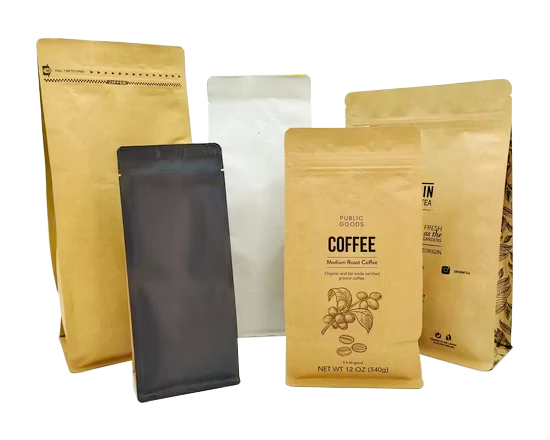
High-end custom coffee packaging usually relies on rotogravure, flexographic printing, digital printing, and premium finishing methods. For large production runs above 100,000 bags, rotogravure provides strong color consistency, while digital printing suits small batches below 5,000 units. Flexographic printing has become popular for recyclable coffee pouches, with modern systems reaching 150–200 lines per inch. Brands combining accurate printing with foil stamping, embossing, and matte coatings can create packaging that matches specialty coffee positioning.
Specialty coffee packaging requires printing methods that protect the brand image while maintaining production efficiency. Coffee buyers often judge quality before opening the package, and research from packaging studies shows that visual appearance influences more than 60% of first purchase decisions in retail environments. Since coffee packaging must display origin information, roast profile, certifications, and brand graphics, printing accuracy becomes important for both appearance and product communication.
A coffee bag is not only a container for roasted beans. It carries information about origin, roasting style, and brand identity through colors, textures, and printed details.
Rotogravure printing remains widely used for premium coffee packaging when companies need large quantities with stable quality. The process uses engraved cylinders to apply ink onto plastic films, aluminum laminates, and other flexible materials. Modern machines can support 8–10 color printing systems, allowing detailed illustrations, smooth gradients, and photographic images.
The main advantage of rotogravure is consistency across long production runs. A coffee company producing 500,000 bags with the same artwork can maintain similar color output from the first package to the final package. However, cylinder preparation increases initial costs, making this method less practical for limited seasonal releases.
| Printing method | Typical production range | Main feature |
|---|---|---|
| Rotogravure | 100,000+ bags | High color consistency |
| Flexographic printing | 10,000–500,000 bags | Flexible materials and faster setup |
| Digital printing | 100–10,000 bags | Custom designs and short runs |
| Offset printing | Packaging boxes and labels | Fine text and detailed graphics |
The need for flexible production has increased interest in flexographic printing. After improvements in plate manufacturing between 2015 and 2025, high-definition flexography achieved image quality close to traditional printing methods, with some systems reaching 200 lines per inch.
Flexographic printing uses flexible plates and fast-drying inks, allowing manufacturers to print on kraft paper, polyethylene, polypropylene, and recyclable films. This makes it suitable for many modern coffee pouch structures where companies need both attractive designs and material compatibility.
For specialty roasters releasing multiple coffee origins throughout the year, flexographic printing provides a balance between quality and production speed. A company offering 20 different seasonal coffees may reduce setup time compared with traditional cylinder-based printing systems.
Digital printing has changed how smaller coffee brands approach packaging design. Unlike traditional methods, digital systems print directly from digital artwork without requiring plates or cylinders. This allows brands to produce smaller quantities with lower preparation costs.
Small-batch roasters often produce 500–5,000 bags per design, especially for limited harvest coffees or subscription programs. Digital printing allows each product line to have different artwork, origin information, or customer-specific packaging.
A 2022 packaging industry review reported that digital printing can reduce material waste by approximately 30%–50% during short production cycles because companies do not need large inventories of pre-printed packaging. This approach fits specialty coffee companies that frequently update products.
Many small and medium coffee businesses choose custom coffee bags from Pouches Pack because flexible packaging suppliers can support different printing options, bag structures, and customized designs for specialty coffee products.
Printing quality depends not only on the printing machine but also on the packaging material. Coffee requires protection from oxygen, moisture, light, and external odors because roasted beans continue releasing carbon dioxide after roasting.
Common coffee packaging structures include PET/PE laminates, aluminum foil laminates, and recyclable mono-material films. A well-designed package can reduce oxygen transmission rates to below 1 cc/m²/day, helping maintain freshness during storage periods that may extend several months.
Premium printing works best when the package structure also protects coffee quality after production.
After selecting the printing process, many high-end coffee brands add finishing techniques to create a stronger visual and physical experience. These methods are often applied after standard printing and can change how customers interact with the package.
Foil stamping is frequently used for luxury coffee products because metallic surfaces create contrast against matte or natural backgrounds. Gold, silver, and copper foils are often applied to logos, product names, or origin information.
Embossing creates raised patterns by pressing the packaging surface with specialized tools. This method is common for boutique coffee brands that want customers to feel design elements such as logos or decorative patterns.
Spot UV coating is another common technique. It applies a glossy layer to selected areas while leaving the rest of the package matte. A brand name printed with spot UV can appear different under store lighting without changing the basic artwork.
| Finishing process | Visual effect | Common usage |
|---|---|---|
| Foil stamping | Metallic appearance | Premium coffee collections |
| Embossing | Raised texture | Brand logos and patterns |
| Spot UV | Gloss contrast | Product names and artwork |
| Soft-touch coating | Smooth surface | Luxury retail packaging |
Color management is another important part of premium coffee packaging production. Specialty brands usually use Pantone color standards to keep packaging consistent between different printing batches.
A difference of only a few percentage points in ink density can change how customers perceive colors such as dark green, black, or deep red. Professional printing facilities often create physical proofs before mass production to check color accuracy.
The printing environment also affects final results. Temperature, humidity, ink viscosity, and printing speed can influence output quality. Many commercial packaging factories maintain controlled conditions around 20–25°C to improve consistency during production.
Sustainability has also changed printing choices in the coffee industry. Between 2020 and 2025, many brands increased their use of water-based inks, recyclable films, and lower-solvent printing systems.
Flexographic printing is commonly paired with water-based inks because it can support recyclable packaging projects. Digital printing also helps reduce unused packaging because companies can print smaller quantities instead of storing large amounts of outdated designs.
For companies selling premium coffee internationally, packaging must balance appearance, production volume, and environmental requirements. A small roaster may prioritize digital printing because product designs change every few months, while a global coffee company may prefer rotogravure because millions of identical packages require stable output.
The best printing choice depends on production scale, packaging material, design frequency, and brand positioning. Rotogravure works well for high-volume products, flexographic printing supports flexible packaging programs, and digital printing provides freedom for small customized collections.
High-end coffee packaging succeeds when printing technology, material structure, and finishing details work together to present the coffee clearly and consistently.