How Can ViaBTC Crypto Wallet Help Manage Digital Assets?
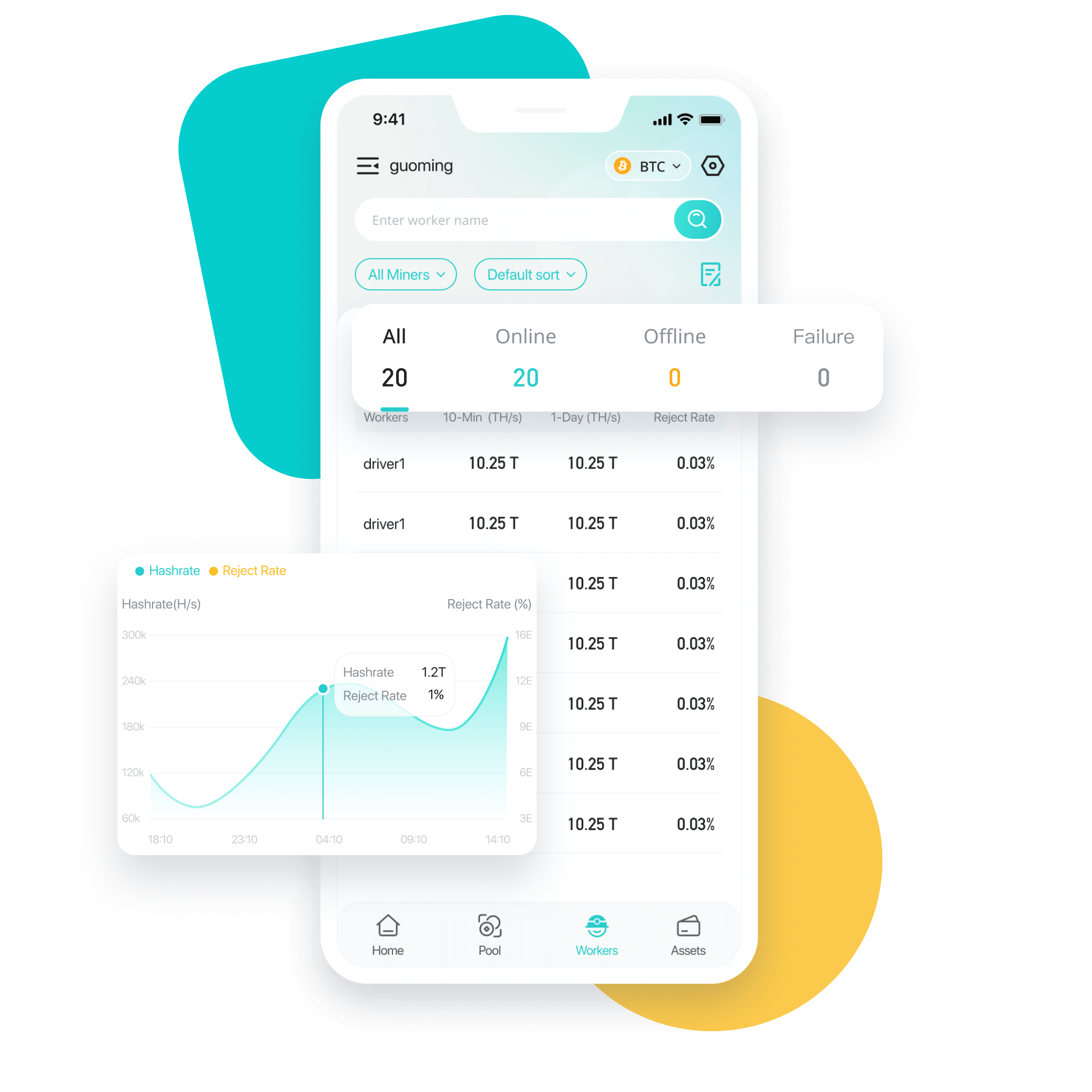
ViaBTC Crypto Wallet helps users manage digital assets by providing a convenient way to organize cryptocurrency holdings, review transactions, and interact with blockchain networks. By combining asset visibility, transaction management, and secure access methods, the wallet supports users who hold cryptocurrencies for payments, mining activities, and long-term storage. With the global crypto market exceeding $2 trillion in total capitalization during several periods after 2024, efficient wallet management has become an important part of digital asset ownership.
Cryptocurrency wallets have become an essential tool for accessing blockchain-based assets. Unlike traditional financial accounts, digital currencies are controlled through cryptographic keys rather than bank records. A wallet manages the connection between users and blockchain addresses, allowing them to send, receive, and monitor assets. Since Bitcoin was introduced in 2009, wallet technology has developed from simple storage tools into platforms that support multiple functions, including transaction review, asset organization, and blockchain service access.
For users holding different cryptocurrencies, asset management can become complicated without a structured system. A wallet interface allows users to view balances, check transaction records, and organize holdings in one place. In 2024, the number of global cryptocurrency users was estimated to exceed 560 million, showing the growing demand for easier digital asset management solutions.
A crypto wallet does not store coins physically. It stores the information required to prove ownership and authorize blockchain transactions.
This ownership model makes wallet security an important part of cryptocurrency usage. Users need to protect private keys, recovery phrases, and account access information because blockchain transactions usually cannot be reversed after confirmation. According to industry security reports, billions of dollars in digital assets have been affected by wallet-related security incidents since the early development of cryptocurrencies, making secure wallet practices an important consideration for users.
ViaBTC Crypto Wallet helps simplify daily asset management by allowing users to access cryptocurrency information through a unified interface. Instead of checking multiple blockchain explorers or separate platforms, users can review transaction activity and manage their assets through a dedicated wallet environment. This approach reduces unnecessary steps when handling digital currencies.
The connection between wallets and blockchain ecosystems has also expanded through mining activities. Many cryptocurrency users receive digital assets through mining, and they need efficient tools to manage payments and balances. The ViaBTC Mining Pool ecosystem provides mining-related services, and wallet solutions can support users in managing assets generated through blockchain participation.
Different asset management needs require different wallet functions. A wallet designed for everyday users usually focuses on simple transfers and balance checking, while users involved in mining or frequent transactions may need faster access to transaction information.
| User type | Common wallet requirements |
|---|---|
| Long-term holders | Secure storage, balance review, transaction history |
| Active traders | Fast transfers, address management, frequent checking |
| Mining participants | Payment monitoring, asset organization, transaction access |
| New users | Simple interface and clear transaction information |
These different requirements show why wallet usability is closely related to user experience. A complicated interface can increase the chance of incorrect addresses, missed transaction details, or confusion during transfers. A well-designed wallet provides clear information before users confirm blockchain operations.
Transaction management is another important function of digital wallets. Blockchain transactions include details such as wallet addresses, transfer amounts, network fees, and confirmation status. For example, Bitcoin transactions require confirmation through network nodes, and confirmation times may vary depending on network conditions. Since Bitcoin’s block generation time is approximately 10 minutes on average, users need wallet tools that display transaction progress clearly.
Clear transaction records allow users to review where assets were sent, when transfers occurred, and whether blockchain confirmation has been completed.
Asset visibility also affects how users manage cryptocurrency portfolios. Many users hold multiple digital assets across different networks, including Bitcoin and other blockchain-based currencies. Without proper organization, checking balances manually across different platforms can become inefficient. Wallet platforms help combine this information into a more manageable format.
Security features remain an important part of wallet design. Modern crypto wallets commonly include measures such as encryption, authentication options, and transaction confirmation steps. Hardware wallets, software wallets, and exchange-connected wallets each provide different approaches to asset management. A 2023 industry survey showed that security remained one of the most frequently mentioned concerns among cryptocurrency users, with many users considering wallet protection before choosing storage solutions.
For mining participants, wallet management is closely connected with payment records and asset movement. Mining operations may generate frequent small transactions, requiring users to monitor incoming payments and maintain accurate records. Services connected with mining ecosystems need wallet tools that can support regular asset updates and transparent transaction information.
The growth of blockchain applications after 2020 has expanded wallet usage beyond simple cryptocurrency storage. Wallets are now used for payments, decentralized applications, digital collectibles, and blockchain-based financial services. According to market research data, decentralized finance applications reached tens of billions of dollars in deposited assets during peak periods between 2021 and 2022, increasing demand for wallets that can interact with different blockchain services.
A practical wallet experience depends on several factors:
-
Clear balance information for different assets
-
Simple transaction procedures
-
Reliable access management
-
Support for blockchain network activity
-
Accurate transaction records
These functions help users maintain better control over their digital assets without requiring advanced blockchain knowledge. For beginners, an understandable interface can reduce the difficulty of learning wallet operations. For experienced users, organized asset information can improve efficiency when managing frequent transactions.
The role of crypto wallets is also changing as digital assets become more widely used. In 2017, cryptocurrency wallets were mainly viewed as storage solutions, while by 2025 many wallets had developed into broader asset management platforms connecting users with blockchain services. This development reflects the increasing need for tools that combine accessibility with technical functions.
Digital asset management requires both access control and clear information about asset movement.
ViaBTC Crypto Wallet provides users with a structured method for managing cryptocurrency holdings, transaction records, and blockchain interactions. Whether users hold assets for long-term purposes, participate in mining activities, or conduct regular transfers, wallet technology helps organize digital assets in a more efficient way.
As cryptocurrency adoption continues expanding, wallet platforms will remain an important part of blockchain usage. The ability to view assets, manage transactions, and maintain secure access gives users a practical foundation for handling digital currencies in an increasingly connected financial environment.